
Polymarket
World's largest prediction market with deep liquidityThe world's largest prediction market. Trade on politics, crypto, global events, sports, and economic outcomes using decentralized markets powered by blockchain technology.
Compare top prediction market platforms and find the perfect one for your forecasting needs. Make informed decisions with our comprehensive reviews and analysis.

Crypto analyst and prediction market researcher with 8+ years of experience covering Web3 forecasting platforms.
Explore the leading prediction markets where you can forecast events, trade on outcomes, and earn rewards for accurate predictions.
The world's largest prediction market. Trade on politics, crypto, global events, sports, and economic outcomes using decentralized markets powered by blockchain technology.

Create and trade on custom prediction markets covering technology, politics, AI, economics, and entertainment. Manifold is beginner friendly and highly active.

Kalshi is a CFTC-regulated event trading platform where users can trade on inflation, elections, weather, interest rates, and economic indicators.

Augur is one of the earliest decentralized prediction market protocols built on Ethereum, allowing censorship-resistant forecasting markets without intermediaries.
Prediction markets are digital forecasting systems where traders, analysts, investors, researchers, and everyday users speculate on the probability of future outcomes. These markets transform opinions, news, economic expectations, and crowd intelligence into tradable assets that continuously reflect the perceived likelihood of specific events happening.
Unlike traditional betting platforms, prediction markets function more like financial exchanges. Prices move dynamically according to supply and demand, meaning that every trade contributes to a constantly evolving probability estimate. If thousands of market participants collectively believe an event is highly likely, the contract price rises. If confidence falls, prices decline.
Modern prediction markets combine elements of finance, statistics, behavioral economics, blockchain technology, decentralized governance, derivatives trading, and information aggregation. This unique combination has positioned prediction markets as one of the fastest-growing sectors within the broader digital asset ecosystem.
Over the last several years, prediction markets have expanded far beyond simple political forecasting. Today, traders speculate on cryptocurrency prices, inflation trends, interest rate decisions, AI development, sports championships, election outcomes, technology launches, macroeconomic indicators, entertainment awards, geopolitical conflicts, weather events, and even scientific discoveries.
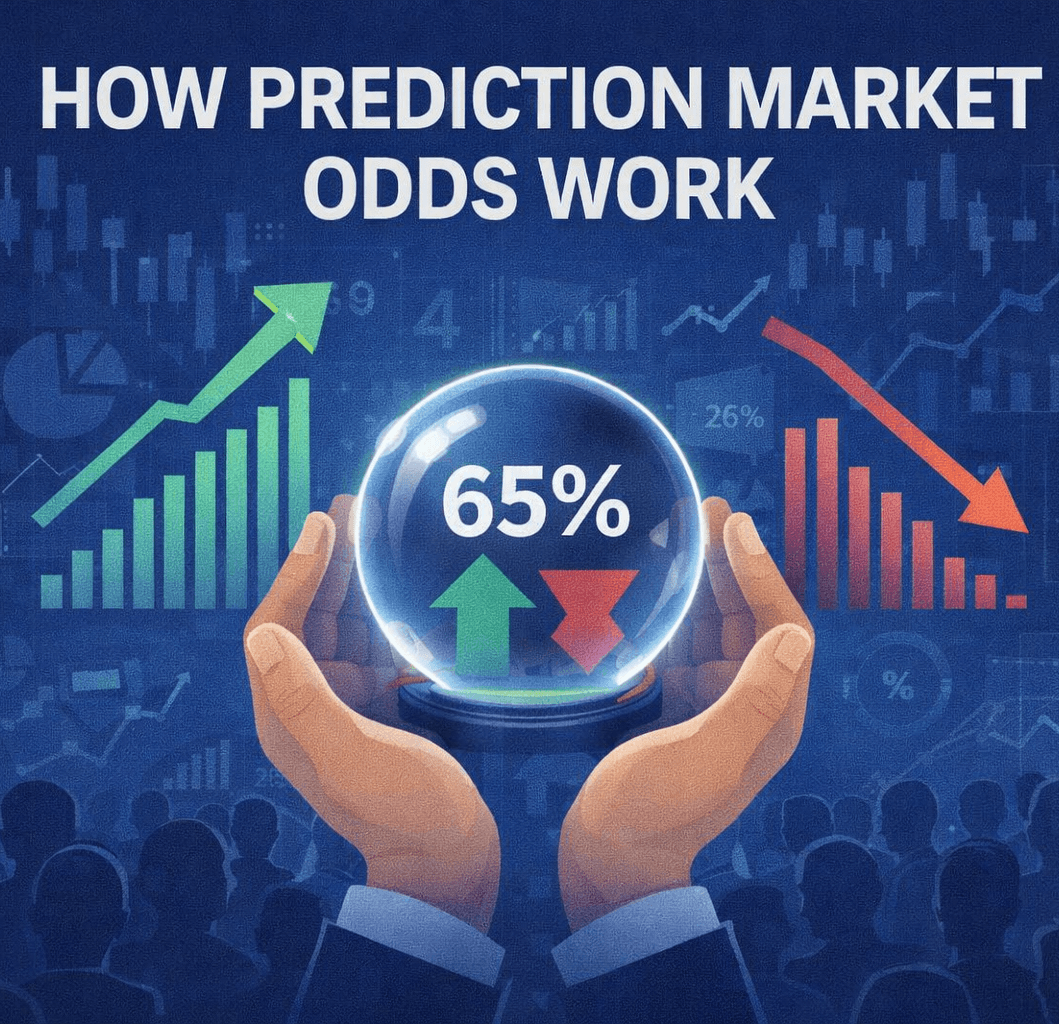
One of the core ideas behind prediction markets is that collective intelligence can often outperform individual experts. Instead of relying on one analyst, users gain access to probabilities generated by thousands of participants risking real capital on their expectations.
This concept is sometimes referred to as the “wisdom of crowds.” In efficient prediction markets, prices aggregate massive amounts of information from participants located all around the world. Traders react instantly to breaking news, economic data, political developments, and social sentiment.
For example, if a major central bank unexpectedly changes interest rates, prediction market prices may react within seconds. If a political candidate performs poorly during a debate, election contracts can instantly decline. This speed makes prediction markets one of the most responsive forecasting systems available online.
The rise of blockchain technology significantly accelerated the popularity of prediction markets. Decentralized protocols made it possible to create censorship-resistant forecasting systems operating without centralized control. Smart contracts automated trade settlement, removed intermediaries, and enabled global participation.
Platforms such as Polymarket, Augur, and other decentralized protocols introduced crypto-native prediction trading where users interact directly through blockchain wallets instead of traditional banking systems. This dramatically expanded accessibility, especially for international users seeking open financial systems.
Institutional interest in prediction markets has also grown rapidly. Financial analysts, hedge funds, economists, journalists, and political researchers now monitor prediction markets to better understand market sentiment and public expectations.
In many cases, prediction markets have demonstrated remarkable forecasting accuracy. Historical studies suggest that liquid forecasting markets frequently outperform surveys, expert panels, and public opinion polling because participants have financial incentives to be correct.
This financial incentive structure is critical. Unlike social media discussions where users can spread misinformation without consequences, prediction market traders risk losing money if their forecasts are incorrect. As a result, markets often reward information quality, research, and rational decision-making.
However, prediction markets are not perfect. Market manipulation, low liquidity, emotional trading, misinformation, and regulatory uncertainty remain major challenges across the industry. Despite these risks, the sector continues to expand as technology improves and public awareness grows.
Prediction markets are becoming increasingly important because they provide real-time probability estimates for future events. Instead of simply reading opinions, users can observe how capital flows toward different outcomes across global markets.
Governments, corporations, researchers, and investors are exploring how forecasting markets may improve decision-making processes. Some economists even argue that prediction markets could eventually become integrated into public policy analysis, corporate forecasting systems, and decentralized governance models.
As artificial intelligence, machine learning, and decentralized finance continue evolving, prediction markets may become even more sophisticated. Future platforms could integrate AI-generated analytics, automated risk systems, advanced liquidity models, and decentralized governance structures.
Prediction markets have experienced explosive growth over the last several years as global interest in decentralized finance, alternative forecasting systems, artificial intelligence, and crowd intelligence continues expanding. What was once considered a niche internet experiment has evolved into a rapidly growing financial and analytical sector attracting traders, researchers, economists, journalists, hedge funds, crypto investors, and technology enthusiasts.
One of the primary reasons prediction markets are becoming more popular is their ability to aggregate real-time information more efficiently than traditional forecasting systems. Instead of relying solely on expert commentary or delayed polling data, prediction markets allow thousands of users to continuously price probabilities based on live information flows.
Financial incentives play a major role in this process. Participants who make accurate predictions can generate profits, while incorrect forecasts may result in financial losses. This creates a stronger incentive structure compared to social media discussions, public debates, or opinion surveys where users are not financially accountable for misinformation or poor analysis.
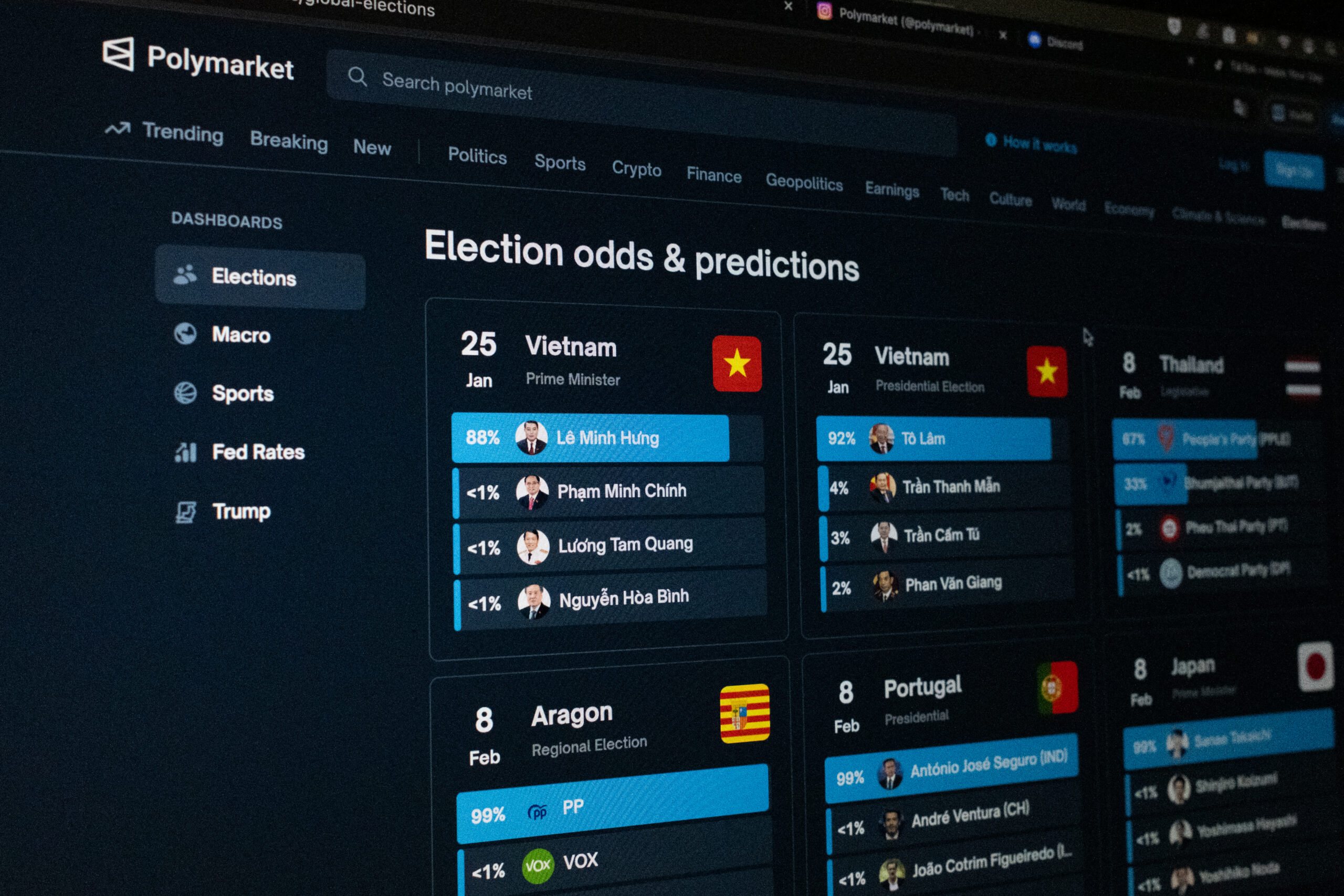
The rise of cryptocurrency and blockchain technology dramatically accelerated adoption. Decentralized prediction market protocols removed many traditional barriers associated with centralized financial systems. Users gained the ability to participate globally through crypto wallets without relying on conventional banking infrastructure.
This global accessibility helped prediction markets expand far beyond regional financial systems. International participants can now access forecasting markets related to elections, sports, technology, macroeconomics, AI development, and geopolitical events from virtually anywhere in the world.
Another major driver behind the popularity of prediction markets is the growing distrust in traditional media, polling systems, and centralized information sources. Many users view prediction markets as a more transparent alternative because probabilities are generated through active trading activity rather than editorial interpretation.
During major political elections, prediction markets often attract enormous attention because they provide continuously updating probability estimates instead of static polling snapshots. Traders rapidly react to new developments, creating highly dynamic forecasting environments.
One of the strongest arguments supporting prediction markets is that financial incentives encourage more accurate analysis. Market participants risk real capital, meaning traders are motivated to research information carefully before placing positions.
This incentive structure can reduce emotional bias and low-quality speculation over time. Traders who consistently make inaccurate predictions eventually lose capital, while skilled forecasters are rewarded financially.
Economists have long argued that markets may aggregate information more effectively than individual experts because markets combine the perspectives of thousands of participants simultaneously. Each participant contributes different forms of knowledge, experience, research, and interpretation.
Traditional polling systems often rely on surveys conducted periodically among selected demographic groups. While polling can provide useful insights, it may suffer from delayed reporting, response bias, small sample sizes, and changing voter behavior.
Prediction markets function differently. Instead of asking participants what they think might happen, markets allow users to financially commit to their expectations through trading activity. This creates stronger incentives for careful analysis and information processing.
In highly liquid environments, prediction markets may react faster than polling systems because traders instantly incorporate new information into market prices. Breaking events, economic reports, legal developments, and geopolitical news can shift probabilities within seconds.
However, prediction markets are not always perfectly accurate. Emotional trading, herd behavior, low liquidity, and misinformation campaigns can distort probabilities. Smaller markets may also experience volatility due to limited participation.
Despite these limitations, prediction markets continue gaining credibility among analysts, economists, and institutional observers who increasingly use them as alternative forecasting tools.
Artificial intelligence is expected to play an increasingly important role in prediction markets over the coming decade. AI systems may assist traders by analyzing large datasets, monitoring sentiment trends, identifying pricing inefficiencies, and generating probabilistic forecasting models.
Some advanced trading firms are already experimenting with machine learning systems designed specifically for forecasting markets. These systems analyze enormous volumes of information from news sources, social media, blockchain activity, macroeconomic indicators, and financial markets.
AI-driven forecasting could significantly improve market efficiency, although it may also increase competition between traders and create more sophisticated market environments.
As technology evolves, prediction markets may become integrated into broader financial systems, decentralized governance protocols, media analysis platforms, and institutional decision-making processes.
The prediction market industry includes both centralized and decentralized platforms, each offering different features, market structures, regulatory models, and trading experiences. Some platforms prioritize regulatory compliance and fiat integration, while others focus on decentralization, crypto-native infrastructure, and permissionless participation.
Choosing the right prediction market platform depends on multiple factors including liquidity, market variety, regulatory accessibility, user interface quality, trading fees, blockchain compatibility, and mobile experience.
| Platform | Crypto Support | Politics | Sports | KYC | Liquidity | Mobile Experience |
|---|---|---|---|---|---|---|
| Polymarket | Yes | Excellent | Limited | No | Very High | Excellent |
| Kalshi | No | Excellent | Strong | Required | High | Very Good |
| Manifold Markets | Optional | Strong | Strong | No | Medium | Good |
| Augur | Yes | Good | Limited | No | Low | Average |
Polymarket has emerged as one of the most recognizable decentralized prediction market platforms in the crypto industry. Built around blockchain infrastructure, the platform enables users to trade on real-world events using cryptocurrency-based markets.
The platform became especially popular during major political events and cryptocurrency cycles due to its high liquidity, fast-moving markets, and large user base. Traders can access forecasting markets related to elections, Bitcoin prices, global economic events, international conflicts, artificial intelligence, technology companies, and macroeconomic indicators.
One of Polymarket’s strongest advantages is liquidity. Highly active markets tend to produce more efficient pricing, tighter spreads, and faster order execution. This makes the platform attractive for both casual users and experienced traders.
The interface is relatively beginner-friendly compared to many decentralized finance applications. Users can browse trending markets, review probability charts, monitor trading volume, and place positions quickly.
However, because the platform operates within a rapidly evolving regulatory environment, accessibility may vary depending on jurisdiction. Users should always verify local regulations before participating.
Kalshi represents a different approach to prediction markets by emphasizing regulation and compliance. The platform operates within regulated financial frameworks and focuses heavily on event contracts structured similarly to financial derivatives.
Kalshi offers markets related to inflation, economic indicators, political events, weather forecasting, and sports outcomes. Because of its regulated structure, the platform appeals to users seeking more traditional financial environments.
Unlike decentralized crypto-native platforms, Kalshi requires identity verification and compliance procedures. This creates additional onboarding requirements but may improve regulatory clarity and institutional trust.
The platform’s user interface is polished, accessible, and optimized for mainstream audiences. Many users view Kalshi as a bridge between traditional finance and modern forecasting markets.
As prediction markets continue evolving, platforms are increasingly differentiating themselves through liquidity models, decentralization architecture, market resolution systems, user experience, and regulatory positioning. Understanding these differences is essential for traders who want to select the right forecasting platform for their strategy, region, and risk tolerance.
Some platforms focus heavily on political forecasting, while others prioritize cryptocurrency speculation, sports analytics, macroeconomic events, decentralized governance, or social forecasting. Liquidity conditions also vary dramatically between platforms, directly impacting pricing efficiency and trade execution quality.
Manifold Markets introduced a unique approach to online forecasting by combining prediction markets with social forecasting mechanics. Unlike traditional crypto-based prediction exchanges, Manifold focuses heavily on community participation, user-generated forecasting markets, and gamified interaction systems.
The platform allows users to create custom markets on virtually any topic. These can range from politics and economics to entertainment, gaming, scientific research, internet culture, artificial intelligence, startup funding, and technology trends.
One reason for Manifold’s popularity is accessibility. The onboarding process is significantly simpler compared to many blockchain-native forecasting protocols. New users can begin participating quickly without needing advanced knowledge of decentralized finance infrastructure.
The platform also encourages experimentation and rapid market creation. This creates an environment where niche forecasting communities can emerge around highly specialized topics.
However, because some markets operate with lower financial incentives, liquidity and forecasting precision may vary compared to larger professional trading platforms. Smaller markets can sometimes experience greater volatility and lower informational efficiency.
Despite these limitations, Manifold Markets has become one of the most active social forecasting ecosystems online, attracting users interested in collaborative forecasting and information aggregation.
Augur was one of the earliest decentralized prediction market protocols built on Ethereum. The platform became historically significant because it demonstrated how blockchain technology could support censorship-resistant forecasting systems without centralized intermediaries.
Augur uses decentralized smart contracts, oracle systems, and community-based resolution mechanisms to determine market outcomes. Traders interact directly through crypto wallets, allowing for permissionless participation.
The platform introduced important innovations within decentralized finance, particularly regarding autonomous market creation and trustless settlement systems.
However, Augur has historically faced challenges related to user complexity, onboarding friction, scalability limitations, and lower liquidity compared to newer competitors.
Many newer decentralized platforms improved on Augur’s original ideas by simplifying interfaces, improving scalability, reducing fees, and optimizing user experience.
Nevertheless, Augur remains one of the most influential protocols in the history of decentralized prediction markets because it helped establish the foundation for modern blockchain forecasting ecosystems.

One of the most important distinctions in the industry is the difference between centralized and decentralized prediction market platforms. Each model offers different trade-offs involving security, accessibility, compliance, liquidity, and operational control.
Centralized prediction markets operate through traditional corporate structures. These platforms typically manage custody, identity verification, market creation, compliance, and dispute resolution internally.
Decentralized prediction markets operate through blockchain protocols and smart contracts. Instead of relying on centralized operators, these systems automate market functionality directly on-chain.
Decentralized systems often provide greater openness and transparency, but they may also introduce complexity for beginners unfamiliar with blockchain wallets, transaction fees, or smart contract interactions.
Centralized platforms usually provide smoother onboarding and stronger compliance frameworks, although they may impose regional restrictions, identity verification requirements, and greater operational control over users.
The industry continues moving toward hybrid models combining elements from both systems. Some newer platforms attempt to integrate decentralized infrastructure while maintaining user-friendly interfaces and partial compliance mechanisms.
Liquidity is one of the most important factors affecting prediction market quality. High liquidity generally improves pricing efficiency, reduces spreads, enables faster trade execution, and creates more accurate probability estimates.
In highly liquid markets, participants can enter and exit positions quickly without significantly impacting prices. This creates smoother market behavior and encourages larger trading participation.
Low liquidity environments can create substantial volatility and inefficient pricing. Smaller trades may move prices dramatically, reducing forecasting reliability and increasing trading risk.
Liquidity becomes especially important during major global events such as elections, central bank decisions, cryptocurrency market cycles, geopolitical conflicts, or major sporting events. During these periods, trading activity often surges dramatically.
Some decentralized platforms use automated liquidity pools instead of traditional order books. These systems rely on algorithmic pricing models to facilitate continuous trading activity.
While automated market makers improve accessibility, they may also introduce pricing inefficiencies during highly volatile market conditions. Larger prediction markets often combine multiple liquidity models to improve stability and execution quality.
Traders evaluating prediction market platforms should carefully examine trading volume, open interest, spread size, and historical liquidity conditions before participating.
Political forecasting remains one of the largest and most influential sectors within the prediction market industry. Election markets attract enormous global attention because they provide continuously updating probability estimates regarding political outcomes, government control, candidate performance, and policy developments.
During election cycles, prediction market trading volume often increases dramatically as traders react to polling data, debates, economic reports, fundraising activity, media narratives, scandals, endorsements, and geopolitical developments.
Many analysts monitor prediction markets because they may reveal changing political sentiment faster than traditional polling systems. Market prices continuously adjust based on collective expectations from thousands of participants.
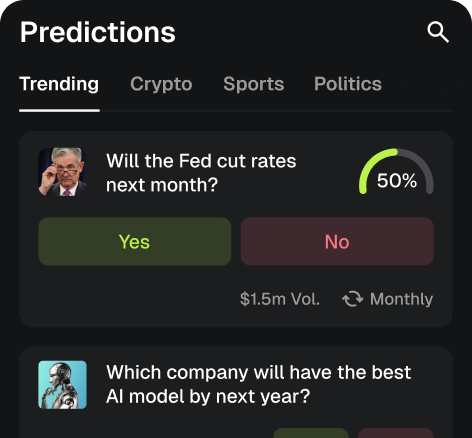
Some election markets focus on national presidential races, while others cover parliamentary control, senate elections, cabinet appointments, policy decisions, referendum outcomes, and geopolitical leadership changes.
Political prediction markets have occasionally demonstrated impressive forecasting accuracy, particularly during highly liquid election cycles where large amounts of information flow into market pricing systems.
However, political markets are also vulnerable to emotional trading behavior, media-driven volatility, misinformation campaigns, and rapid sentiment swings. Traders must remain cautious when interpreting short-term market movements.
Regulatory oversight surrounding political prediction markets varies significantly across jurisdictions. Some countries treat election contracts as regulated financial instruments, while others classify them similarly to betting products.
As global political uncertainty continues increasing, election forecasting markets are likely to remain one of the most active sectors within the broader prediction market industry.
Cryptocurrency forecasting has become one of the fastest-growing sectors inside the prediction market industry. As digital assets continue attracting global attention, traders increasingly use prediction markets to speculate on Bitcoin price movements, Ethereum upgrades, ETF approvals, regulatory developments, stablecoin adoption, blockchain scalability, and the long-term growth of decentralized finance ecosystems.
Crypto prediction markets combine financial speculation with crowd intelligence. Instead of relying solely on technical analysis or social media sentiment, traders can observe real-time market probabilities generated through active capital allocation.
During major crypto market cycles, prediction platforms often experience surging trading activity. Events such as Bitcoin halving periods, SEC decisions, exchange collapses, stablecoin instability, macroeconomic policy changes, and institutional adoption announcements can all dramatically impact market pricing.
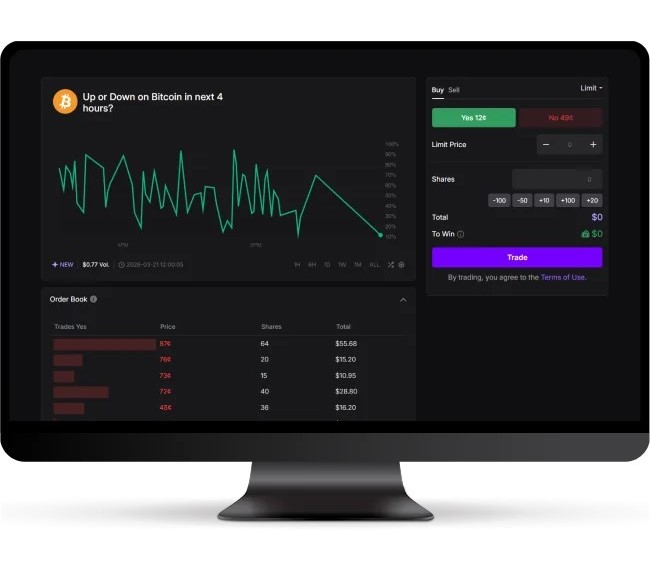
Crypto-native forecasting platforms often provide greater flexibility compared to traditional financial systems. Users can participate globally through decentralized wallets, stablecoins, and blockchain-based settlement systems without relying on conventional banking infrastructure.
Many decentralized prediction markets also integrate directly into broader DeFi ecosystems. Users may combine forecasting activity with yield farming, liquidity provision, decentralized exchanges, and governance participation.
Bitcoin price forecasting remains one of the most liquid segments within crypto prediction markets. Traders continuously speculate on whether Bitcoin will reach specific price milestones within predefined timeframes.
Ethereum-related forecasting has also grown significantly, especially regarding network upgrades, gas fee improvements, staking adoption, and decentralized application expansion.
Stablecoin regulation is another rapidly expanding forecasting category. Governments worldwide continue evaluating digital asset legislation, creating substantial uncertainty regarding compliance requirements, financial oversight, and institutional participation.
Because cryptocurrency markets operate 24/7 globally, crypto prediction markets often experience extremely rapid price adjustments. Traders react instantly to news events, blockchain activity, exchange data, macroeconomic developments, and social sentiment.
Despite rapid growth, cryptocurrency prediction markets remain highly volatile. Traders should understand that digital asset markets can move aggressively due to leverage, speculative activity, low liquidity conditions, and sudden macroeconomic shifts.
Artificial intelligence is expected to dramatically reshape prediction markets over the coming decade. Machine learning systems, automated forecasting algorithms, sentiment analysis tools, and large-scale data processing technologies are already influencing how traders analyze probability markets.
AI systems can process enormous quantities of information significantly faster than humans. These systems analyze financial markets, economic indicators, news headlines, blockchain activity, social media discussions, scientific publications, and geopolitical developments in real time.
Some advanced forecasting firms are developing AI-driven prediction engines capable of identifying market inefficiencies and generating probabilistic models based on historical data patterns.
As computational forecasting improves, prediction markets may become increasingly integrated with artificial intelligence systems designed to assist decision-making processes across finance, government, media, healthcare, and scientific research.

AI forecasting tools may eventually become embedded directly inside trading interfaces. Traders could receive probability suggestions, sentiment summaries, volatility alerts, and macroeconomic analysis generated automatically through machine learning systems.
However, increased AI participation could also create new challenges. Sophisticated algorithms may intensify market competition, reduce informational inefficiencies, and accelerate volatility during major events.
There are also concerns surrounding algorithmic manipulation, misinformation amplification, and AI-generated trading coordination. Regulators and platform operators may eventually need to develop safeguards against abusive automated market behavior.
Despite these risks, many analysts believe AI integration represents one of the most transformative developments in the future evolution of prediction markets.
Regulation remains one of the most complex and controversial aspects of the prediction market industry. Different countries classify forecasting markets in different ways, creating a fragmented legal environment across global jurisdictions.
Some governments treat prediction markets as financial derivatives, while others classify them similarly to gambling products or speculative betting systems. Regulatory frameworks continue evolving as authorities attempt to balance innovation, financial oversight, consumer protection, and market integrity.
Decentralized blockchain-based prediction markets create additional legal complexity because they may operate globally without centralized corporate control. This raises important questions regarding jurisdiction, compliance, dispute resolution, taxation, and enforcement authority.
Centralized prediction market operators typically implement identity verification procedures, regional restrictions, compliance monitoring, and reporting obligations to satisfy regulatory requirements.
Decentralized protocols often rely on smart contracts and blockchain infrastructure instead of centralized operational control. This creates tension between decentralized financial innovation and traditional regulatory frameworks.
Election forecasting markets remain especially controversial in some jurisdictions. Regulators may view political event contracts differently from sports, entertainment, or macroeconomic forecasting products.
Regulatory uncertainty can significantly impact platform growth, liquidity, institutional participation, and user accessibility. Some platforms have exited certain markets entirely due to compliance concerns.
Despite ongoing challenges, many analysts believe clearer regulation may eventually strengthen the industry by improving institutional trust and increasing mainstream participation.
Most prediction markets operate using event contracts. Each contract represents a future outcome that resolves either true or false once the event concludes. Traders buy and sell shares based on their expectations regarding that outcome.
The most common structure is the YES/NO market model. Users purchase YES shares if they believe an event will happen, or NO shares if they believe it will not occur.
If traders collectively estimate a 65% probability, the YES contract may trade around $0.65 while the NO contract trades around $0.35. Once the event resolves, winning shares settle at $1 while losing shares settle at $0.
This mechanism effectively transforms prices into implied probabilities. A contract trading at $0.72 suggests that the market estimates roughly a 72% chance of the event occurring.
Market prices constantly fluctuate as participants react to new information. Breaking news, economic reports, earnings releases, political developments, sports injuries, AI announcements, and macroeconomic events can all dramatically impact contract pricing within seconds.
Prediction market participants range from casual traders to professional analysts and institutional researchers. Some traders specialize in politics, while others focus on cryptocurrency markets, sports forecasting, or economic data.
Liquidity plays a critical role in forecasting accuracy. Highly liquid markets generally produce more reliable probability estimates because larger trading activity reduces price distortion and improves information efficiency.
Different platforms use different settlement methods. Centralized platforms may rely on internal compliance teams or regulated financial systems. Decentralized platforms often use blockchain oracles, governance voting, or decentralized consensus systems to determine final outcomes.
Blockchain-based prediction markets typically operate through smart contracts. These contracts automatically manage trading, settlement, payouts, and liquidity pools without requiring centralized intermediaries.
Smart contracts reduce operational costs while improving transparency. Every transaction is publicly recorded on-chain, allowing users to independently verify market activity.
Automated market makers, commonly called AMMs, are also increasingly used within decentralized prediction markets. Instead of relying entirely on traditional order books, AMMs use algorithmic liquidity pools to facilitate trading.
This model improves accessibility for smaller markets while allowing continuous trading even when direct counterparties are unavailable.
Prediction market pricing is influenced by multiple variables, including public sentiment, breaking news, liquidity conditions, macroeconomic data, institutional participation, and social media activity.
For example, during major elections, debate performances, polling updates, campaign scandals, and economic reports can all rapidly change market probabilities.
In cryptocurrency prediction markets, prices often react to ETF approvals, regulatory announcements, Bitcoin volatility, exchange activity, blockchain upgrades, and macroeconomic trends.
Because prediction markets aggregate information from many participants simultaneously, they are often viewed as real-time sentiment indicators reflecting collective expectations more efficiently than traditional polling systems.
Security is critically important within prediction markets, especially for decentralized blockchain-based platforms where users directly control digital assets through crypto wallets and smart contracts.
While decentralized systems provide transparency and reduced intermediary dependence, they also introduce unique security considerations involving smart contract vulnerabilities, phishing attacks, wallet security, malicious tokens, and operational risks.
Centralized platforms face different security challenges including data breaches, custody risks, insider threats, and compliance-related vulnerabilities.
Users participating in decentralized forecasting markets should carefully review wallet permissions and smart contract approvals before connecting funds to any protocol.
Phishing attacks targeting crypto users have become increasingly sophisticated. Fake websites, malicious browser extensions, social engineering campaigns, and fraudulent support accounts represent significant threats across the broader crypto ecosystem.
Security awareness is especially important because blockchain transactions are generally irreversible. Users who approve malicious contracts or transfer assets to fraudulent addresses may permanently lose funds.
Reputable prediction market platforms increasingly invest in security audits, smart contract testing, bug bounty programs, and infrastructure monitoring systems designed to improve platform safety and user confidence.
Prediction markets are still in the early stages of global adoption, yet many analysts already believe these systems could become one of the most important forecasting technologies of the modern digital economy. As blockchain scalability improves, artificial intelligence becomes more advanced, and decentralized finance infrastructure matures, prediction markets may evolve far beyond their current role as speculative trading platforms.
In the future, forecasting markets could become integrated directly into financial systems, corporate planning, media analytics, decentralized governance, scientific research, and even public policy decision-making. Instead of relying exclusively on static reports or delayed polling systems, organizations may increasingly use live market probabilities to evaluate uncertainty and monitor collective expectations in real time.
Some economists argue that prediction markets could eventually serve as alternative information systems competing directly with traditional forecasting institutions. Markets may become increasingly valuable because they aggregate massive quantities of decentralized information while continuously adjusting probabilities through real-time participation.
As decentralized governance systems continue evolving, decentralized autonomous organizations, commonly known as DAOs, may integrate prediction markets directly into governance frameworks. Communities could use forecasting markets to evaluate protocol upgrades, treasury decisions, economic models, and long-term strategic planning.
Real-world asset forecasting may become another major industry expansion area. Future markets could allow participants to speculate on inflation rates, real estate trends, energy prices, economic growth, commodity supply chains, and global trade conditions with increasing precision.
Artificial intelligence may dramatically improve forecasting efficiency. AI systems could continuously monitor global data flows, identify probability changes, detect informational asymmetries, and generate advanced forecasting models in real time.
At the same time, regulators worldwide are likely to continue developing legal frameworks specifically designed for digital forecasting systems. Clearer compliance standards may encourage broader institutional participation and improve public trust.
Despite rapid innovation, the industry still faces substantial challenges involving regulation, liquidity fragmentation, user education, scalability, and mainstream adoption barriers. However, continued technological development suggests prediction markets will likely remain an increasingly important part of the digital financial ecosystem.
The prediction market industry changes rapidly. Platforms evolve constantly, liquidity conditions shift, regulations change, and user experience varies dramatically between ecosystems. Our goal is to provide transparent, educational, and research-driven analysis based on real platform evaluation rather than promotional marketing claims.
We continuously monitor prediction market trends, platform performance, blockchain infrastructure, trading activity, and forecasting accuracy across the industry. Every review is designed to help users better understand the strengths, weaknesses, risks, and opportunities associated with different forecasting platforms.
We manually analyze prediction market platforms including onboarding experience, liquidity conditions, trading execution, fee structures, mobile usability, interface quality, and overall market functionality.
Our reviews are based on independent analysis and publicly available market data. We prioritize transparency, accuracy, usability, and educational value across all forecasting platform evaluations.
Prediction markets evolve extremely quickly. We regularly monitor market volume, platform changes, industry trends, regulatory developments, and forecasting activity to keep information current.
Compare the most popular forecasting platforms, analyze market probabilities, and discover how decentralized prediction systems are reshaping finance, information aggregation, and global forecasting technology.
Explore Top PlatformsStay updated with the newest developments in prediction markets, decentralized forecasting, crypto-based trading platforms, election forecasting, AI prediction systems, and blockchain analytics.
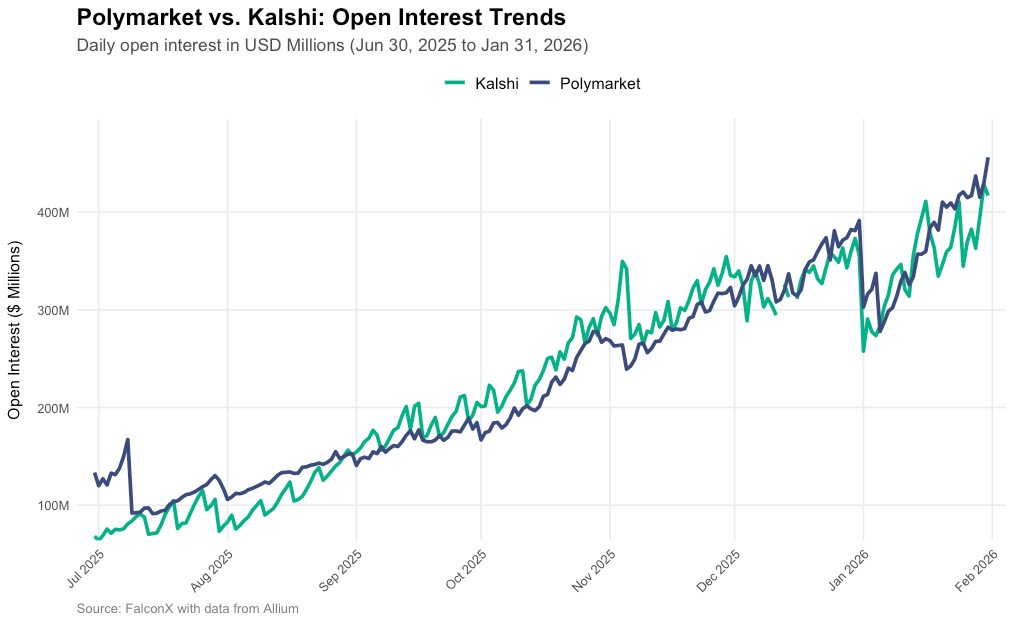
Political forecasting markets continue attracting millions of dollars in trading activity as global elections increase public interest in real-time probability forecasting systems.
Read Full AnalysisModern forecasting platforms are rapidly expanding into Ethereum, Solana, artificial intelligence tokens, decentralized finance protocols, and macroeconomic crypto events.
AI forecasting markets are becoming increasingly popular as users speculate on artificial intelligence regulation, model releases, AGI milestones, and future technological breakthroughs.
Our editorial team continuously analyzes the largest forecasting platforms based on liquidity, usability, transparency, mobile experience, market variety, and overall platform quality.
One of the most active decentralized prediction market platforms with strong liquidity, crypto-native infrastructure, and massive political forecasting activity.
Regulated event forecasting exchange focused on macroeconomic, political, sports, and real-world event contracts.
Community-driven forecasting platform designed for social prediction markets, experimentation, and educational forecasting participation.
One of the most important reasons prediction markets attract attention from economists, researchers, financial analysts, and technology companies is their ability to aggregate decentralized information at massive scale.
Traditional forecasting systems often depend on static surveys, delayed reports, institutional opinions, or centralized analysis teams. Prediction markets operate differently because participants continuously update probabilities through active market participation.
This process creates a dynamic forecasting environment where probabilities evolve in real time as new information becomes available. In many situations, markets can respond faster than traditional polling organizations or media institutions.
Economists frequently describe prediction markets as information aggregation systems. Instead of asking individuals for opinions directly, these systems encourage participants to express beliefs through financial exposure. This distinction changes participant incentives dramatically.
In traditional polls, participants may answer casually, emotionally, or without strong conviction. In prediction markets, users often risk real capital, creating stronger motivation for accurate research and rational analysis.
Prediction markets are often associated with the concept known as “the wisdom of crowds.” The theory suggests that large groups of independent participants can collectively generate highly accurate forecasts under the right conditions.
Market participants process information differently. Some traders focus on macroeconomics, others analyze political developments, social trends, technological progress, sentiment data, or blockchain analytics. Markets aggregate all of these perspectives into continuously changing probabilities.
This information aggregation mechanism explains why prediction markets are increasingly studied by universities, hedge funds, research organizations, technology startups, and policy analysts worldwide.
The legality of prediction markets depends on regional regulations and platform structure. Some jurisdictions classify forecasting markets as financial products, while others regulate them similarly to betting systems. Users should always research local laws before participating.
Polymarket is currently one of the most recognized decentralized prediction market platforms by trading volume and market activity, especially during major political and cryptocurrency events.
Many analysts believe prediction markets can outperform traditional polling systems because participants risk real capital on their forecasts, creating stronger incentives for accurate information processing and rational analysis.
Decentralized prediction markets operate through blockchain smart contracts rather than centralized corporate systems. These platforms allow users to participate directly through crypto wallets without relying on traditional financial intermediaries.
Market manipulation is possible, especially in low-liquidity environments. However, highly liquid markets are generally more resistant to manipulation because larger participant activity improves pricing efficiency and market stability.
Prediction markets combine finance, crowd intelligence, blockchain technology, and real-time forecasting into a single ecosystem. Growing interest in decentralized finance and alternative information systems has accelerated global adoption.